
Print Books Portfolio






The Fantastical Historie of Milos Stephanos
(Released: Solstice 2025)
The Fantastical Historie of Milos Stephanos is both a metaphysical romp and a pilgrimage through the back-pages of European literature. In this bold re-telling of Faust, a devil’s advocate recruits a suitable ingenue for The Great Purpose. Unfortunately, his amoral protégé slips the leash and conjures hellish plans of his own.

The Faustian character is Krystian Krystenssen, a mercenary youth with a blank slate where his soul should be. The role of Mephistopheles is taken by Mr Milos Stephanos, an alchemist, a diplomat, an entrepreneur, and the teller of the tale. Mr Stephanos is a waspish and worldly narrator, but he is also a reluctant protagonist and a put-upon hostage to fortune.
The Fantastical Historie of Milos Stephanos comes littered with literary references that are integral to the chronology of events. Above all, it is a uniquely witty morality tale and a picaresque piece of fantastical gothic fiction.
Front Cover Design: m. stephen clark
Front Cover Illustration: Ornament from Harry Clarke’s Faust (1925). Public Domain
Typesetting: m. stephen clark and Reedsy
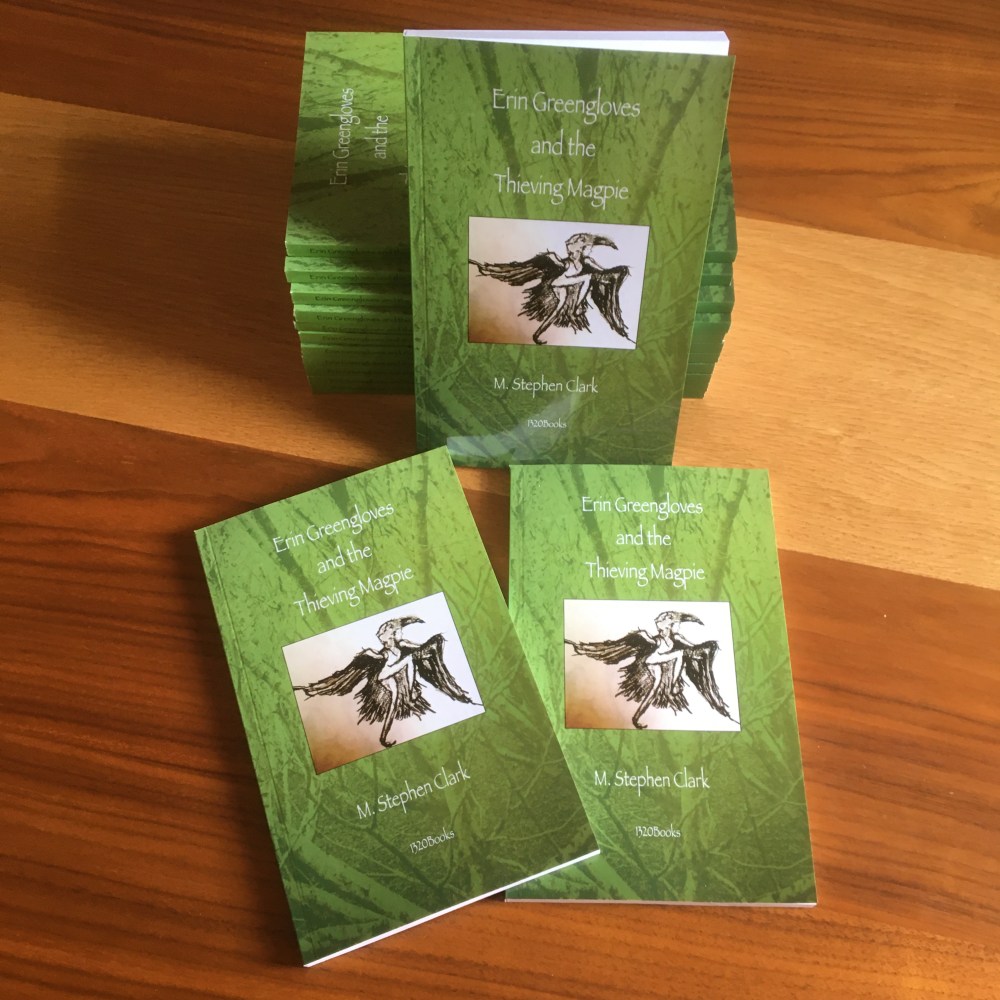
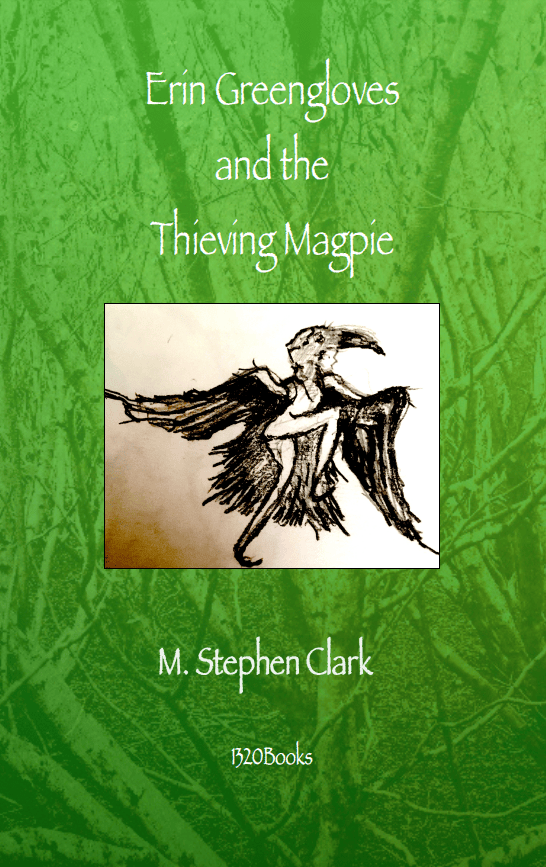
‘Erin Greengloves and the Thieving Magpie’
by Michael Stephen Clark (1320Books)
One day, while exploring Blackwater Loch, Erin Greengloves meets the famous Boatman in His Bed of Reeds, protector of the loch and guardian of Osprey Isle. But this is no chance meeting.
Erin is about to embark on her most daring and dangerous adventure ever. Erin Greengloves and the Thieving Magpie is a tale of strange magpies, weird sisters, a shapeshifting sorcerer, and a wayward boy.
This third and final chronicle of Erin Greengloves is a story of friendship and courage in the face of a powerful enemy. It is a fight that Erin has to win if she is to save Green Glen from destruction.
The Fragmented World of the Mongoose Lemur: a searching look at a critically-endangered species; fractured ecosystems; and the global war on nature.
The mongoose lemur is a prosimian primate that It is native to NW Madagascar where it is found in scattered fragments of habitable forest. As an introduced, naturalised species on Anjouan in the Comoros Islands, it has survived by becoming something else: an adaptable, urbanised mammal. The captive population numbers less than 100 animals and has performed inconsistently over several decades.
In this book, author Michael Stephen Clark reveals the fundamental paradox of the mongoose lemur’s natural history. On Anjouan, the species is largely tolerated and appears to be thriving. However, the natural population on Madagascar survives only in fragments. These fragments vary considerably, but all are subject to alarming rates of habitat destruction. The captive population, itself scattered across the world in various zoos, is also diffuse and disconnected. Fragmentation of the global population is, therefore, a fact of life for the mongoose lemur.
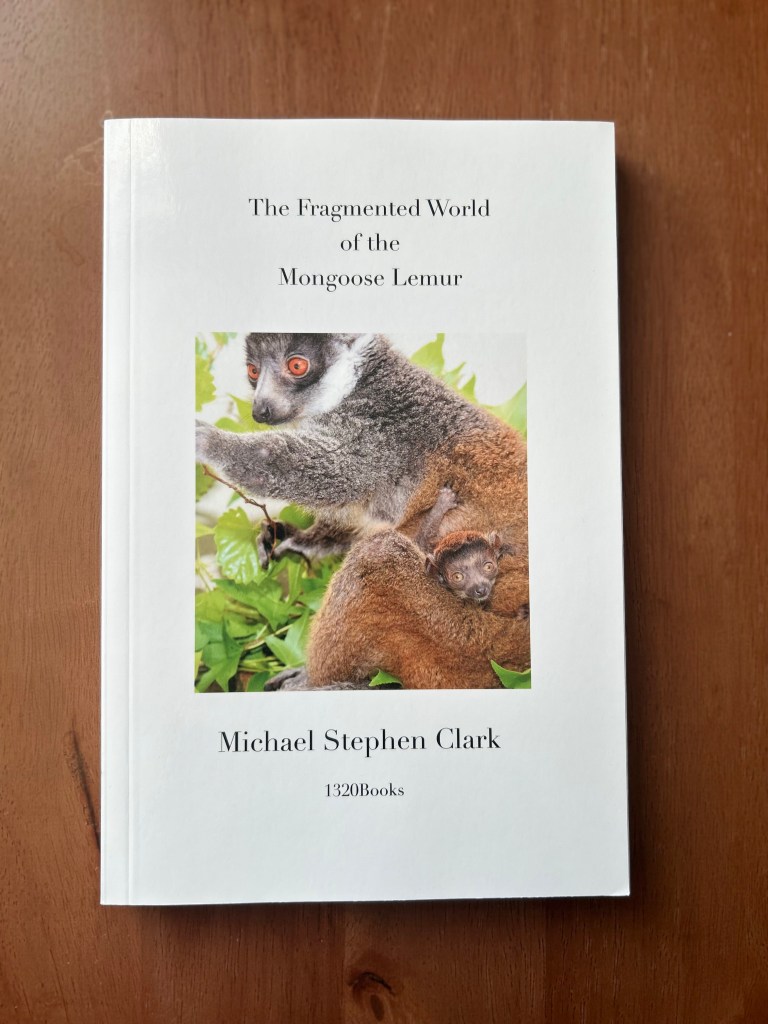
‘The Fragmented World of the Mongoose Lemur’ is a modern natural history that also includes personal memoir and journalistic commentary. It is a book about a species that will only survive the “sixth great extinction” as a viable being if we deem it so. Sadly, the mongoose lemur’s story has been repeated for many other organisms on our planet, and will be again until wild nature becomes little more than a distant memory.
“Michael Stephen Clark’s book about the critically endangered mongoose lemur is a fascinating and comprehensive round of up of species fragmented existence…The use of the mongoose lemur to demonstrate the profound effect of anthropogenic activity on nature very effectively illustrates the issues faced by many species globally. The book is accessible to an informed, general readership, and makes wonderful reading for experts and enthusiasts alike. In depth coverage about broader topics such as conservation on the island of Madagascar and the issues faced by island endemics pose broader questions about the successes and failings of conservationists working in these areas.” – Laura Charlotte Praill (primatologist) writing in Primate Eye, journal of the primate Society of Great Britain.
The Fragmented World of the Mongoose Lemur by Michael Stephen Clark: Format: Royal 156×234 mm (9×6 inches) 286 pp; contains 5 maps; 22 tables; four monochrome photographs; selected references and bibliography. Index. Published by1320Books.
September 2022.
ISBN: 978-1-3999-3089-5
Available in the UK and Europe from The Natural History Book Society
MORE FROM 1320BOOKS
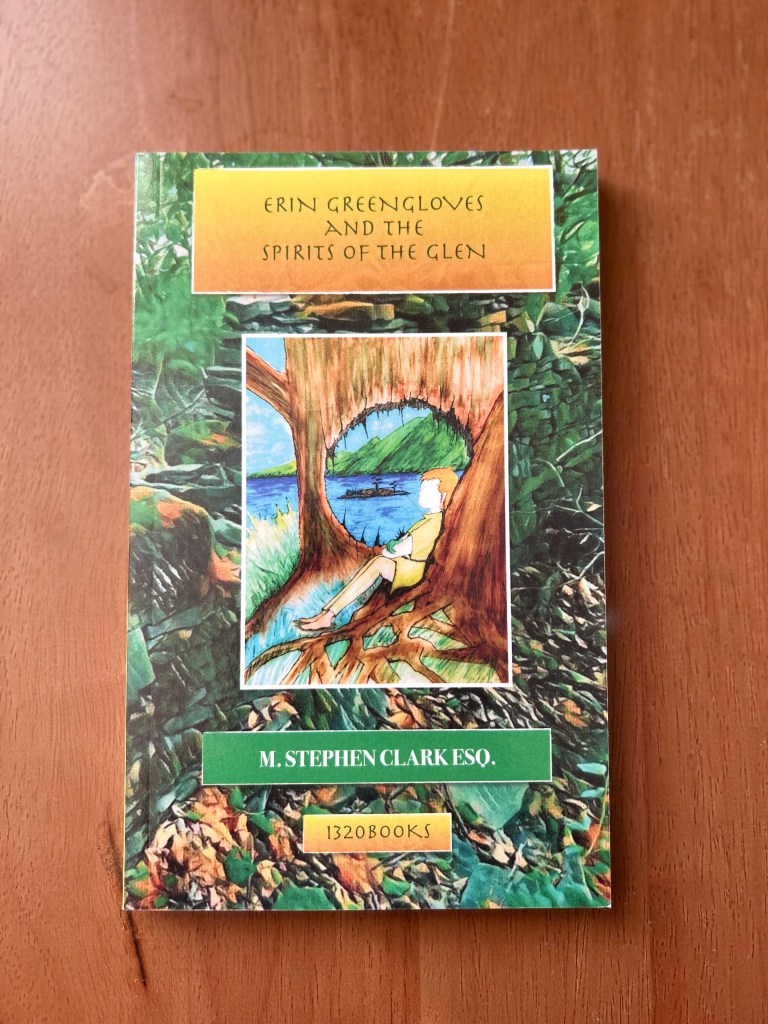
Erin Greengloves and the Spirits of the Glen
An unwelcome visitor appears in Green Glen in the shape of a charming trickster called Elswick Toope. He claims that he can rid the glen of the restless spirits that run wild and free, keeping everyone awake all night, every night. But, who exactly is Elswick Toope anyway, and who or what is the peculiar travelling companion he calls Clock-a-Clay? Then, there is also the appearance of a pair of wicked bogles to consider and the meaning of the little corn dolly to ponder. All this is before we encounter the enigma of Lily-in-the-Loch…. READ MORE

Oathlaw
Scotland 1846 – A heinous killing, a fugitive from justice, and a trio of mismatched sleuths come together in this absorbing tale of murder, mystery and forensic observation. Beginning in the Vale of Strathmore, the action moves quickly from Oathlaw parish to the burgh of Dundee; a town on the make where you can be anyone and no one. It’s the perfect place to hide in plain sight but Reefka has a mind of her own. She has a long-standing score to settle with the men who murdered the Good Man of Oathlaw in cold blood. And she won’t stop until she’s won ‘Justice for All’. READ MORE
Darkling Intruder…..a gothic novella for our times
Now reissued in print…Darkling Intruder is the story of a young woman called Rosemary Leafe who suffered from a peculiar kind of agoraphobia and a strange sort of claustrophobia. Imagine if you can, being trapped between the torment of confinement and a sickening fear of being out into the open. Naturally, a person conflicted in this way might retreat into the safety of his or her own mind. However, there may well be more things to fear inside one’s own head than may be found in the dark corners of an old house or the no-man’s-land of the world outside.
First published in 2012 as an ebook (now withdrawn) this gothic novella has been revised, edited and reissued as a paperback book. It combines the romanticism of early gothic fiction with the melodramatic narratives of twentieth-century British cinema. The book is inspired by the author’s affection for the writing of Edgar Allan Poe, Bram Stoker, Michael Moorcock, and Dennis Wheatley, with a passing nod to classic horror films such as Night of the Demon, the Cabinet of Dr Caligari and Dead of Night. Katherine Briggs’ Encyclopedia of Fairies: Hobgoblins, Brownies, Bogies and Other Supernatural Creatures has also been significant in the development of the idea.
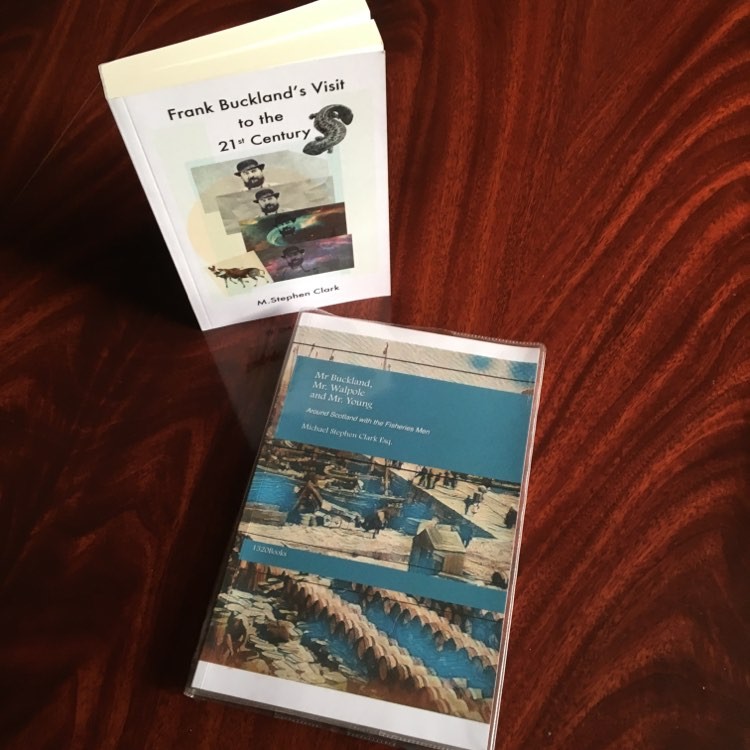
Frank Buckland’s Visit to the 21st Century
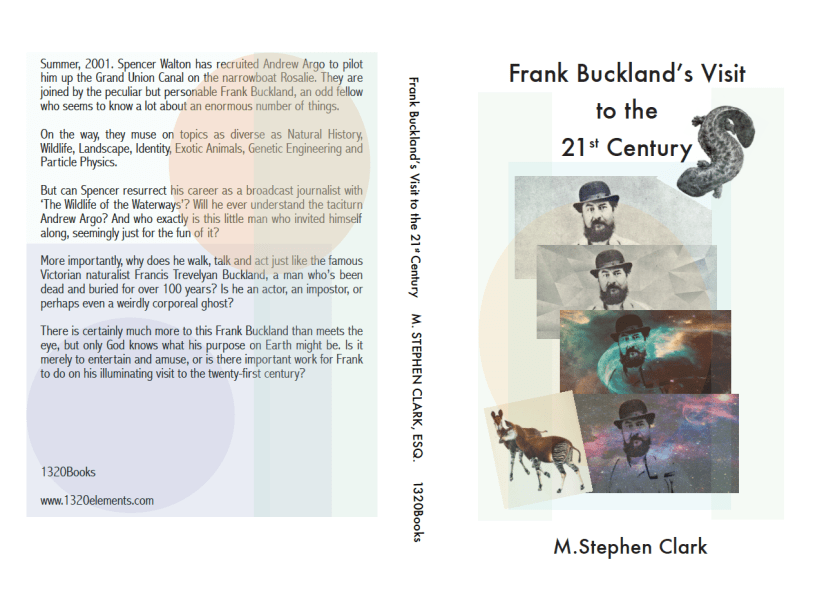
“The throwing together of three men in a boat on a journey with the thinnest of plans and the haziest of goals is a useful premise, but inadequate to describe a narrative of manifest destiny. This expedition was happening for reasons that would only become clear as the journey unfolded, and this particular story could not be told unless the three main characters were Spencer Walton the failed journalist, Andrew Argo the master mariner, and Frank Buckland the Victorian ‘time-travelling’ naturalist.”
Summer, 2001. Spencer Walton has recruited Andrew Argo to pilot him up the Grand Union Canal on the narrowboat ‘Rosalie’. They are joined by the peculiar but personable Frank Buckland, an odd fellow who seems to know a lot about an enormous number of things. On the way, they muse on topics as diverse as Natural History, Wildlife, Landscape, Identity, Exotic Animals, Genetic Engineering and Particle Physics.
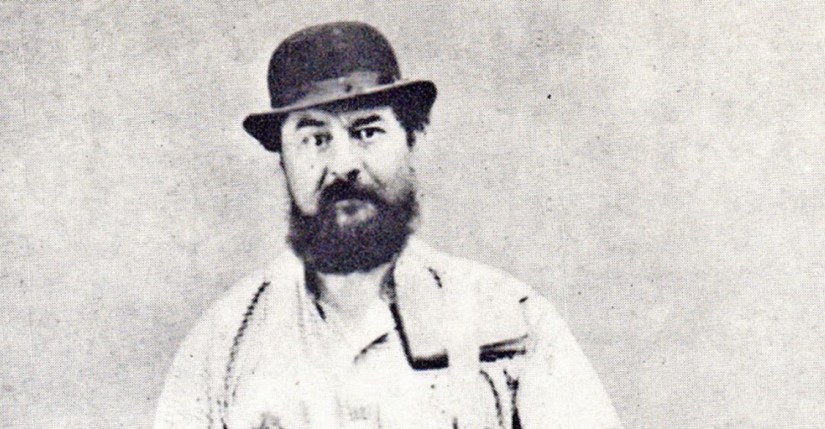
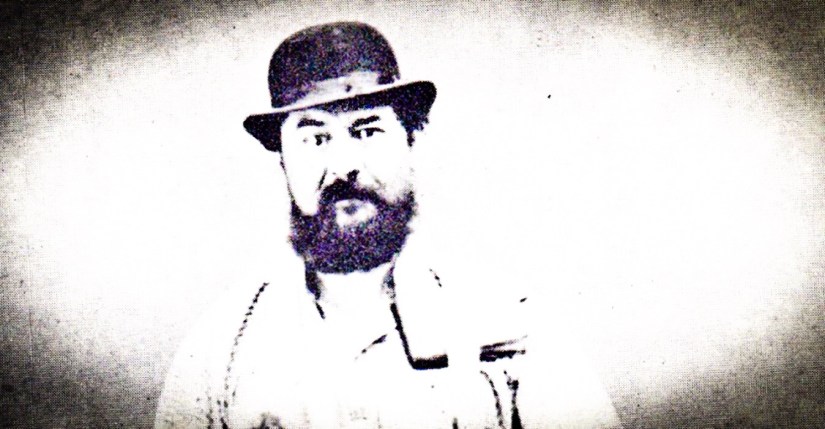
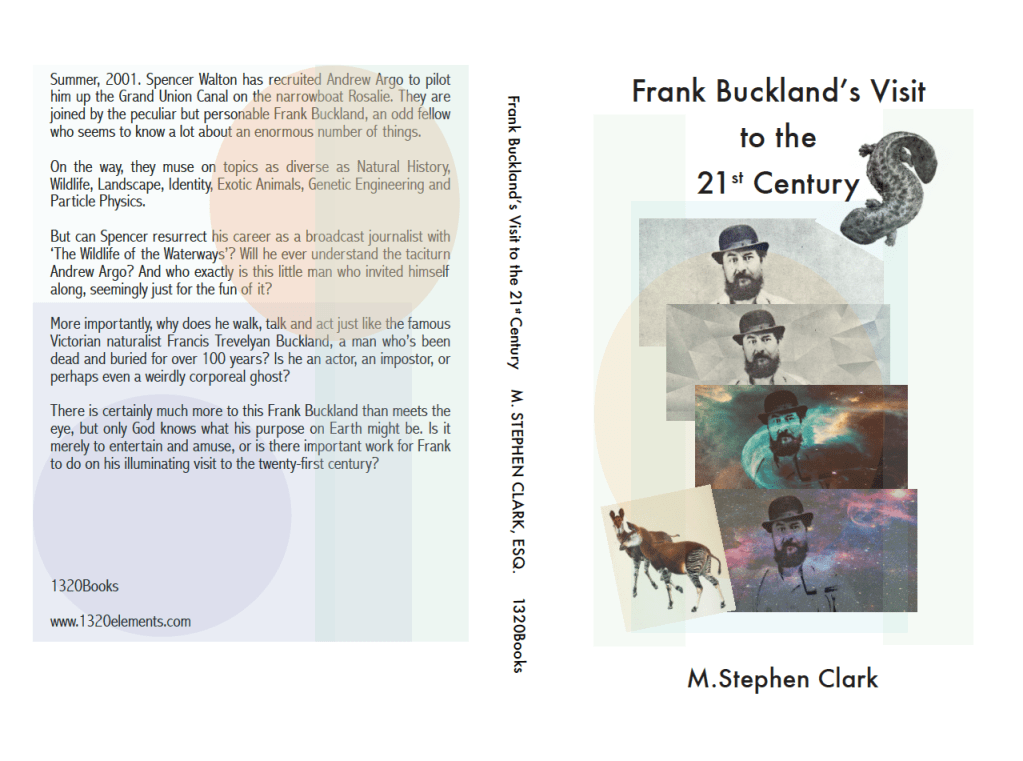


But can Spencer resurrect his career as a broadcast journalist with ‘The Wildlife of the Waterways’? Will he ever understand the taciturn Andrew Argo? And who exactly is this little man who invited himself along, seemingly just for the fun of it?
More importantly, why does he walk, talk and act just like the famous Victorian naturalist Francis Trevelyan Buckland, a man who’s been dead and buried for over 100 years? Is he an actor, an impostor, or perhaps even a weirdly corporeal ghost?
There is certainly much more to this Frank Buckland than meets the eye, but only God knows what his purpose on earth might be. Is it merely to entertain and amuse, or is there important work for Frank to do on his illuminating visit to the twenty-first century?
Frank Buckland’s Visit To The 21st Century is an entertaining ramble through the British landscape and a wry rumination on the fundamentally flawed relationship that humankind has developed with other living creatures. For more information and/or review copies please refer to the contact details below and visit the website to read more about the fantastic Mr Buckland.
Mr. Buckland, Mr. Walpole & Mr. Young: Around Scotland with the Fisheries Men
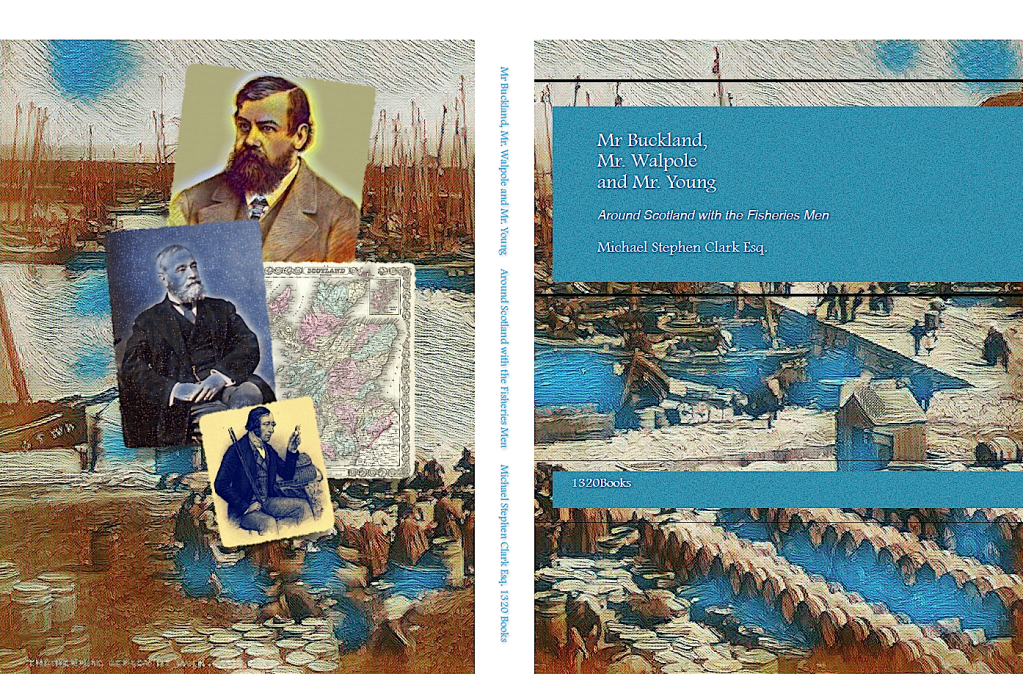
1320Books presents a bright, character-led, non-fiction narrative featuring three larger-than-life, nineteenth-century personalities in the leading roles. There is also a supporting cast of straight-talking fishing folk from every significant fishing community around Scotland’s coastline.
Frank Buckland, Spencer Walpole and Archibald Young had been working together on a regular basis as H.M. Inspectors of Fisheries since 1867. They had undertaken surveys and investigations in Scotland before, and so were more than familiar with people, places and logistics.
In 1877, they were commissioned by the Home Office to gather evidence from Scotland designed to demonstrate the health, or otherwise, of the ‘Scotch’ herring fishery. They began in Edinburgh and visited herring stations of note on the eastern seaboard at Eyemouth, Anstruther, Montrose, Aberdeen and Wick.
The Royal Navy placed the paddle-steamer and gunboat HMS Jackal at their disposal, which took them to Orkney, Shetland, the Western Isles and important locations in and around Loch Fyne. Their undertakings ended at Glasgow, having spent six weeks in August and September travelling around the country by rail, road and sea.
The action takes place at the height of Empire and well into a period of explosive industrial expansion. Scotland itself is the stage, here defined by landscape, people, industry and identity; but some of the scenes may be new to readers. This is because the underlying aim is to move backwards and forwards in time, making unexpected connections between the past and the present.
The story progresses to a perplexing conclusion, which is evaluated with additional material from nineteenth-century fisheries literature that has been inexplicably overlooked. History has overtaken the findings of the fisheries men, but the principal controversy over sustainable harvest of the sea echoes loudly throughout modern Scotland. It ought not to be a revelation, yet there is something startling about authentic nineteenth-century voices communicating, not in Victorian ‘parlour-speak’, but very directly using plain, often pithy, language.
The overall aim of the book is to shorten the perceived distance between twenty-first-century Scotland and the Victorian confection that persists in popular culture. Readers will begin to see more similarities than differences, and, hopefully, immerse themselves further in Scotland’s living social history.
Paperback (Non-Fiction) : 266 pages (9×6)
Erin Greengloves and Her Big Fight with Gunnar Lokka
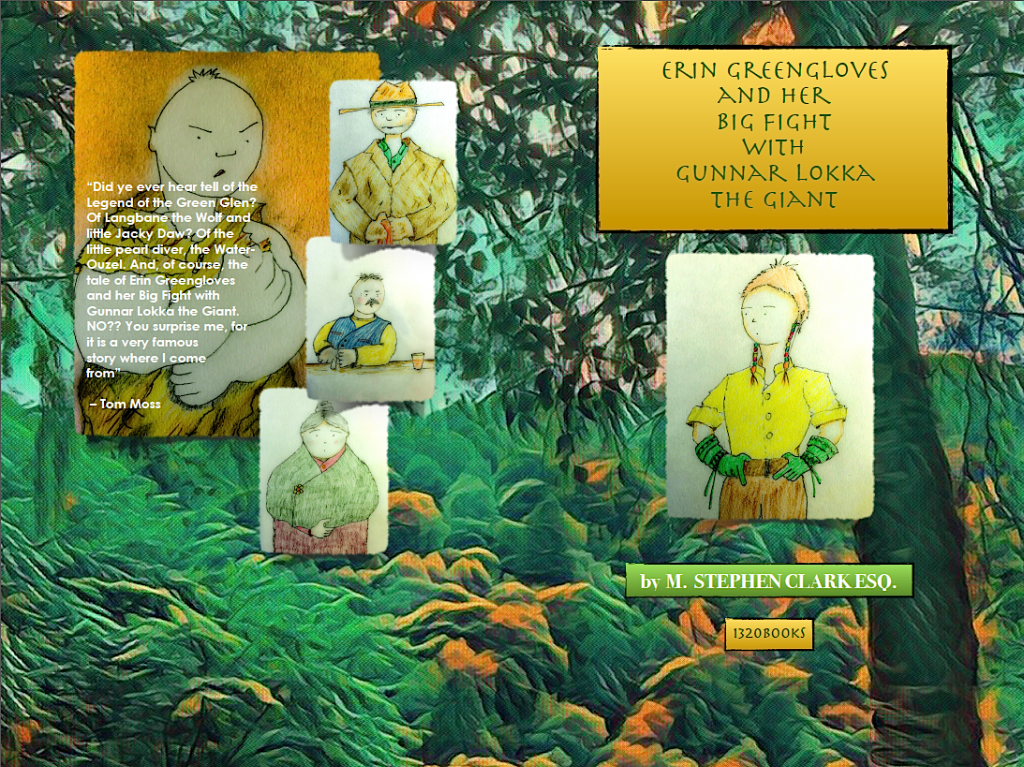
“Did ye ever hear tell of the Legend of the Green Glen? Of Langbane the Wolf and little Jacky Daw? Of the little pearl diver, the Water-Ouzel. And, of course, the tale of Erin Greengloves and her Big Fight with Gunnar Lokka the Giant. NO?? You surprise me, for it is a very famous story where I come from.”
– Tom Moss the Traveller

‘There once was a deep, green glen with a fine river that ran between the steep slopes of two great hillsides that were each thickly covered with tall trees….The glen was home to all kinds of bonny creatures, and it was often hard to imagine a more beautiful place on Earth.’
One summer day, young Erin Greengloves witnesses a distressing incident involving a dipper and a jackdaw. It marks the beginning of events that will change her life and place her in terrible danger. The cause of all the upset is Gunnar Lokka the Giant, a thoughtless and destructive oaf who disrupts the peace of the Glen with his selfish ways.
Only Erin has the wit and the courage to stand up to Gunnar Lokka. She can count only on Tom Moss the Traveller to help her as she faces down the giant in a series of desperate challenges. But is it enough to persuade Gunnar Lokka to leave the Glen forever and never return?


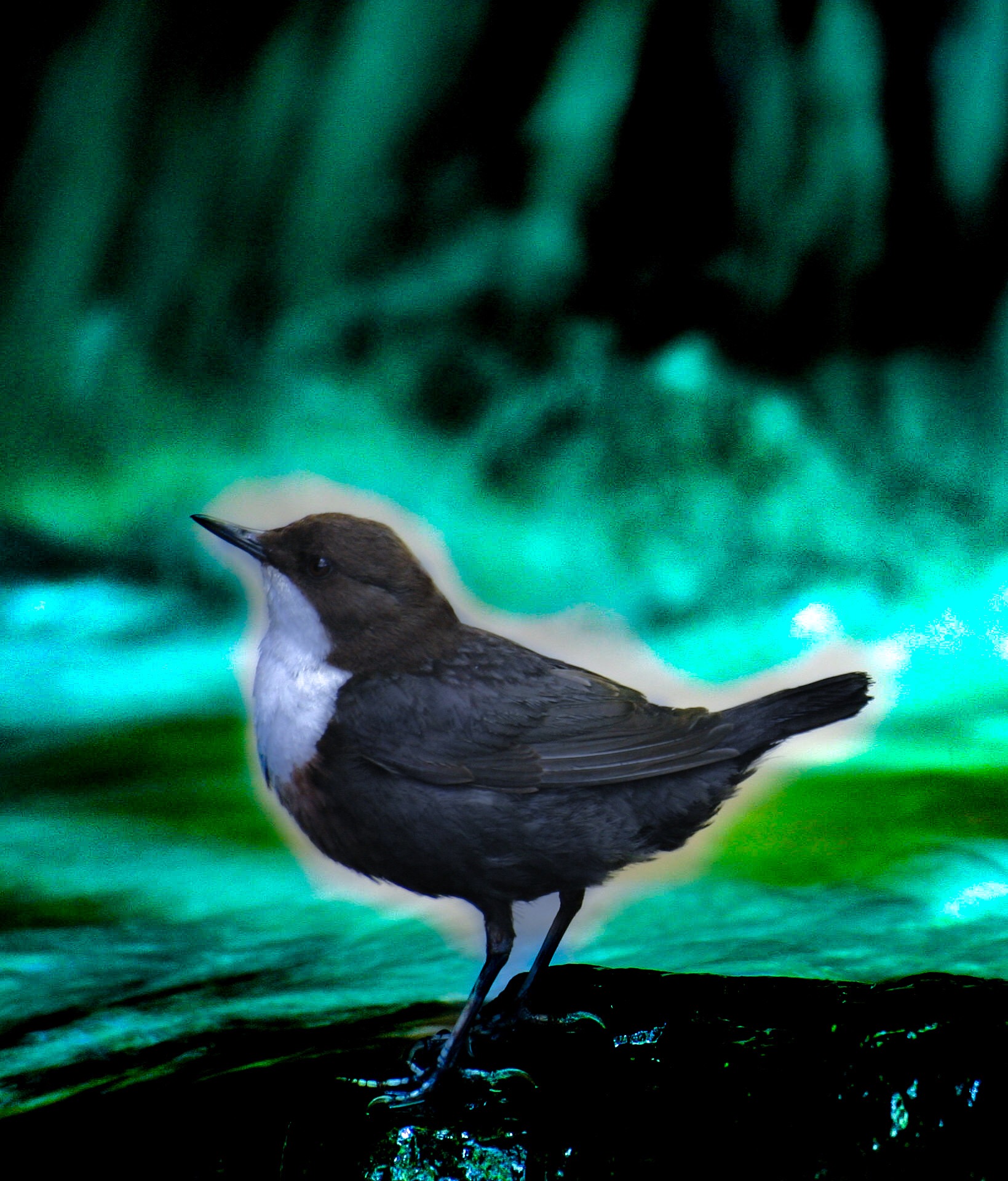

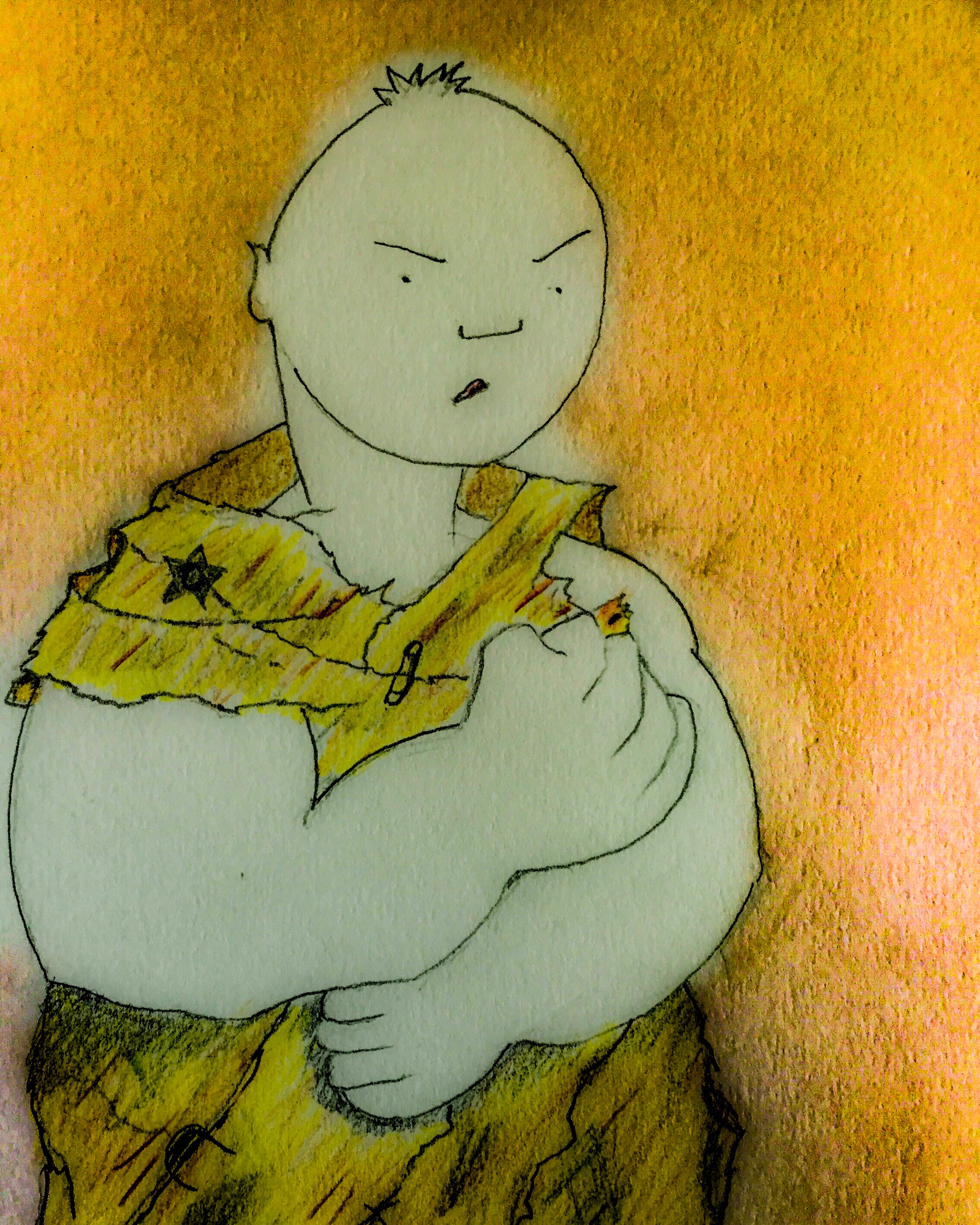

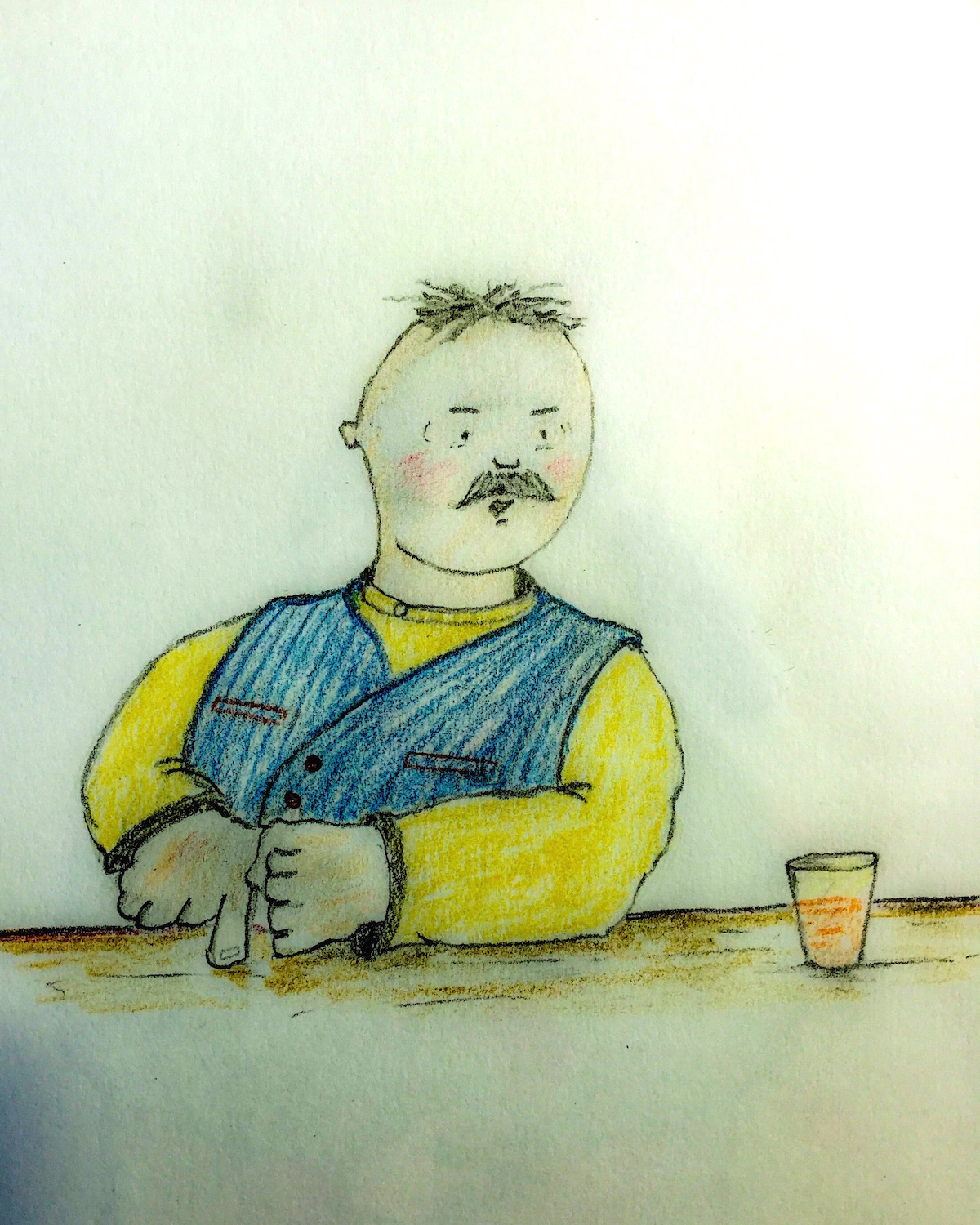
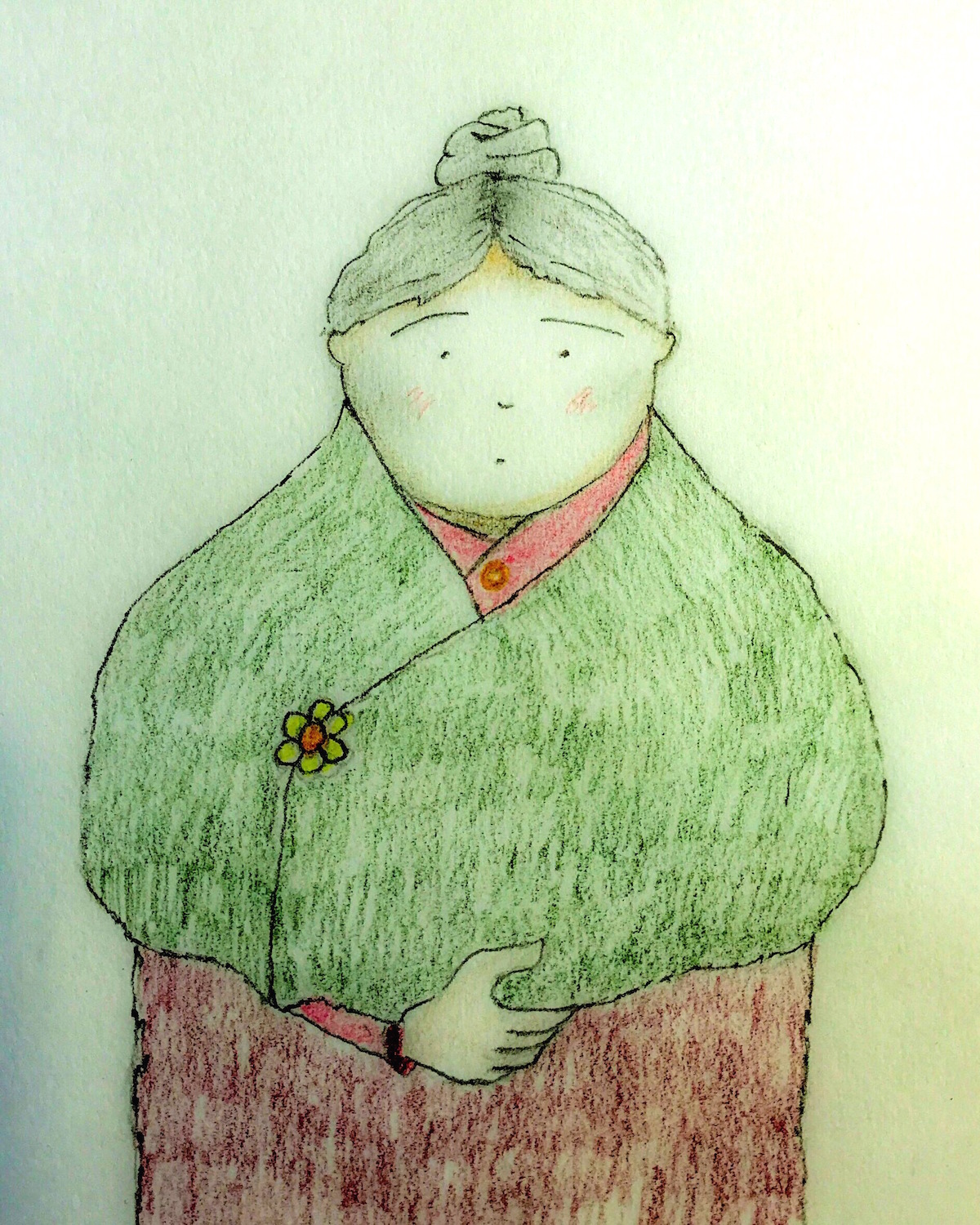

This charming book, written, illustrated, designed and published by M. Stephen Clark, touches upon many themes in traditional storytelling. It is a cautionary tale about giants, wolves, jackdaws, water-ouzels, restless spirits, and a brave girl who won’t give up her home without a fight.
It’s also about a modern view of nature, one that is both realistic and romantic, and full of conflict. If we want to save the world’s last wild places, then we will probably have to be a bit more like Erin Greengloves and fight hard for them. Many people do, and they no doubt suffer from the same doubters as Erin who paid no heed when they all said, ‘A girl shouldn’t do that! A girl mustn’t do that! A girl will never do that!’

